
Winter Whale and Elephant Seal Watching at Point Reyes National Seashore
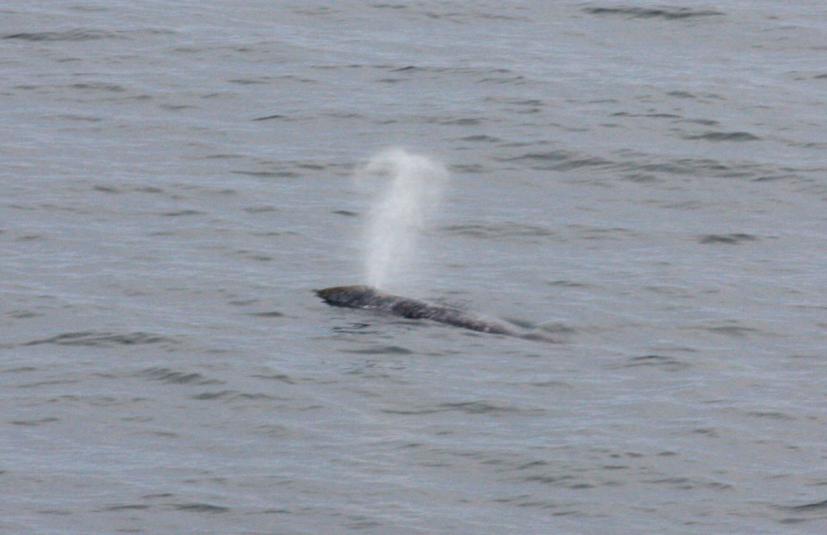
Winter always heralds the start of whale-watching season on Northern California's coast. This is the time of year when California Gray Whales pass by the coast on their annual southern migration, so start planning your winter trip out to Point Reyes National Seashore to do some whale watching now.
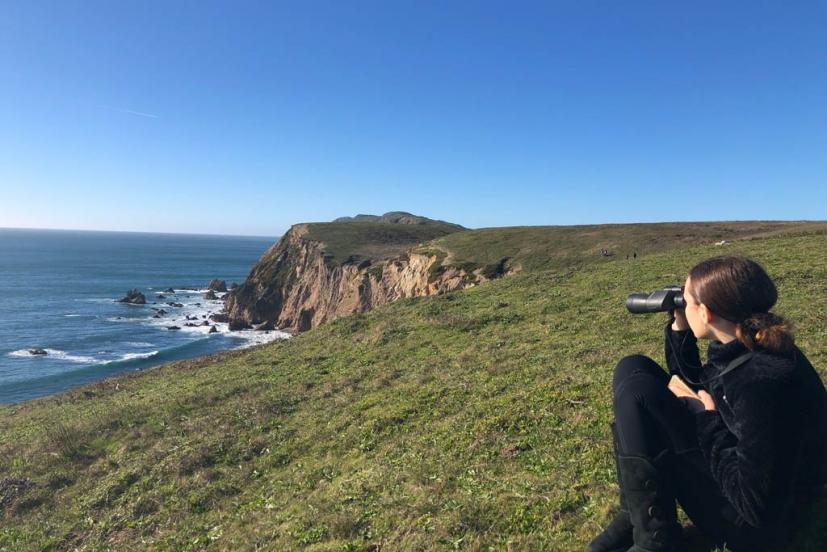
While we've had mixed results in our own whale-watching outings, we're usually lucky enough to see whale or two, and on one visit we saw at least a dozen pass by the lighthouse! It's an amazing experience that you'll never forget, and it's definitely worth the time it takes getting out to the coast.
Another marine mammal they you're just about guaranteed to see in Point Reyes is the Northern Elephant Seal. While not as majestic as gray whales, these large and vocal pinnipeds have developed a large winter colony in Point Reyes and are awe inspiring in their own way. It's a pretty amazing sight that's well worth checking out when you're there.
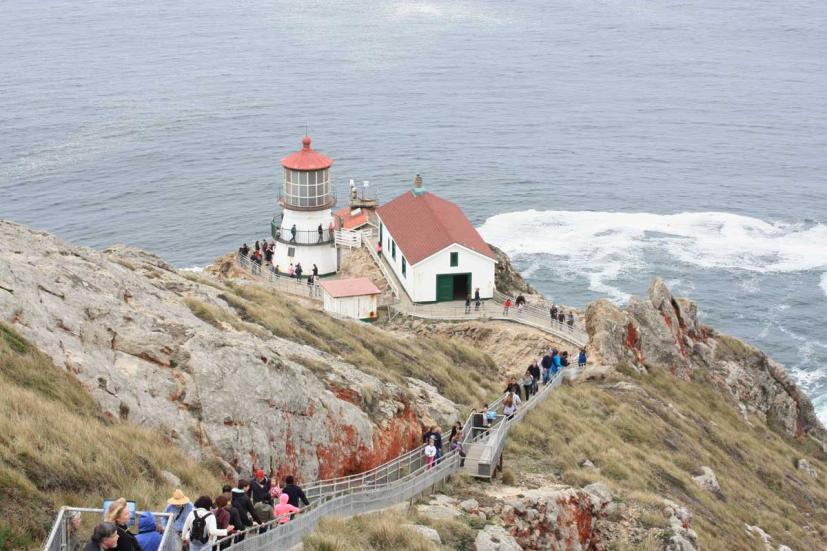
Note that the winter shuttle bus service from Drakes Beach to Chimney Rock and the Point Reyes Lighthouse has been suspended indefinitely and Sir Francis Drake Boulevard and Chimney Rock are open to vehicular traffic.
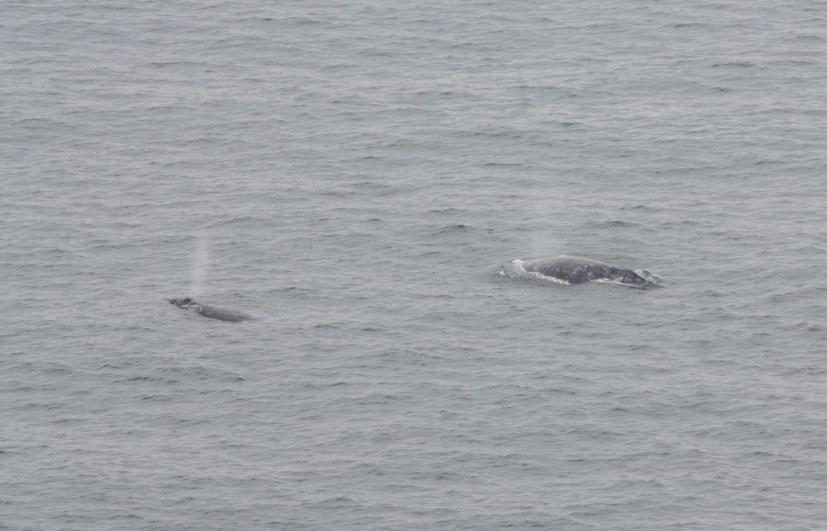
Whale Watching at Point Reyes National Seashore
Every year, California Gray Whales migrate from their feeding grounds in the waters off Alaska to their breeding grounds in the warmer waters near Baja California. This southern migration takes place from mid December through February, with the peak in mid January. The return trip back north happens from March through May, with the peak watching time in mid March; late April and early May are great times to see mother whales swimming with their calves.
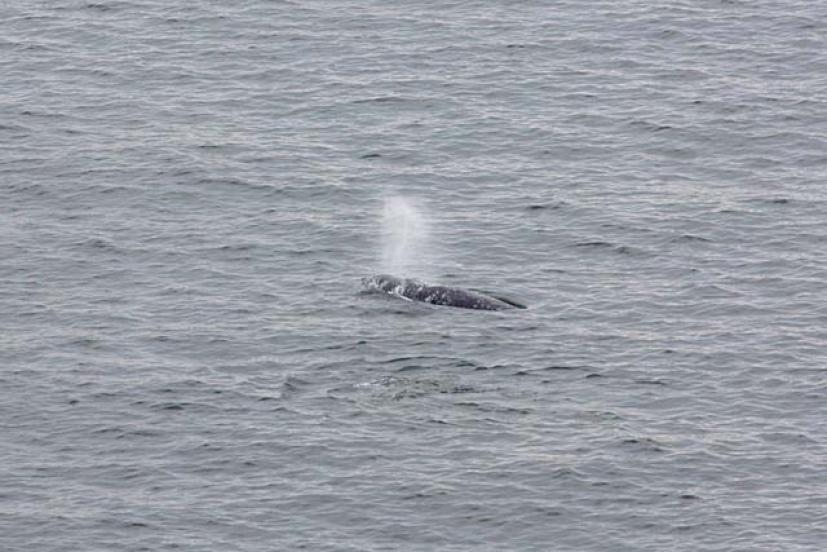
Probably the best place to see the whale migration is at the Point Reyes Lighthouse, since it's located at the point where the Point Reyes Peninsula juts farthest into the Pacific Ocean. Chimney Rock, on the opposite side of the ridge from the lighthouse, is another good place to observe.

Other good spots to watch for whales in the Bay Area include the Marin Headlands, Bodega Head, Jenner, Fort Ross, Point Montara, and Año Nuevo State Park.
Point Reyes Elephant Seals
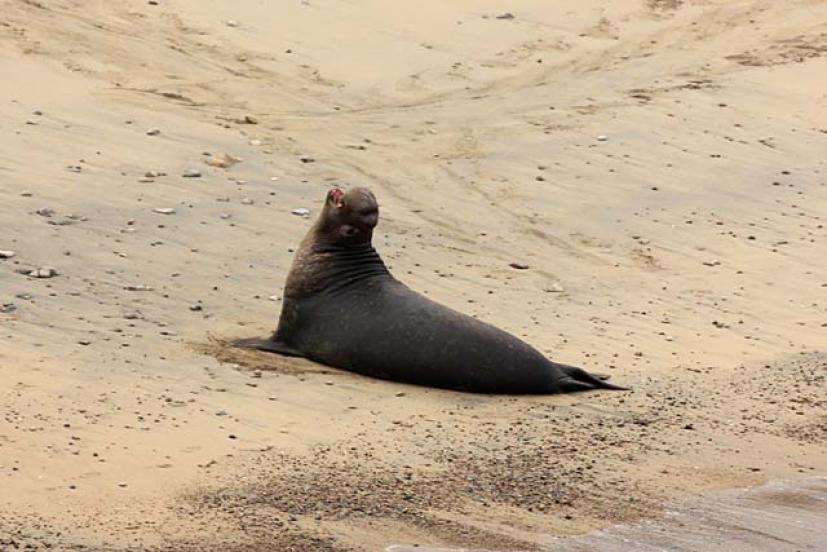
Whales aren't the only large migratory marine mammals to be seen out at Point Reyes. Over the past few years, the Point Reyes peninsula has become home to a sizeable population of Northern Elephant Seals. These huge seals can be found camped out on beaches around the area, particularly in and around Chimney Rock and Drakes Beach.
You can see the relatively small females as well as the extremely large male seals, which have a distinctive fleshy proboscis that gives them their name. They spend most of their time lounging on the beach, but can occasionally be spotted swimming in the water nearby. The male seals make an unusual sort of gurgling sound, so if you hear a loud sound that sounds like someone flushing a toilet in an echo chamber, that's what it is.
At Chimney Rock, you can catch a glimpse of the Elephant Seals both at the Sea Lion Lookout and the Elephant Seal Overlook near the parking area. The Sea Lion Lookout is just off the road to Chimney Rock; park in the parking area and walk over the the fence and look over. There's a sheer drop of several hundred feet here so, needless to say, stay behind the fence.

Access the Elephant Seal Overlook via a trail located just off the parking lot at the Chimney Rock trailhead. Walk down the access road that leads to the lifeboat station and pier (authorized vehicles only), then turn left at the sign for the overlook. It's about a half-mile or so and ends in an observation area with benches and a nice panorama of the beach, Drakes Bay, and of course the resident Elephant Seals. The trail is easy and is suitable for families with small children.
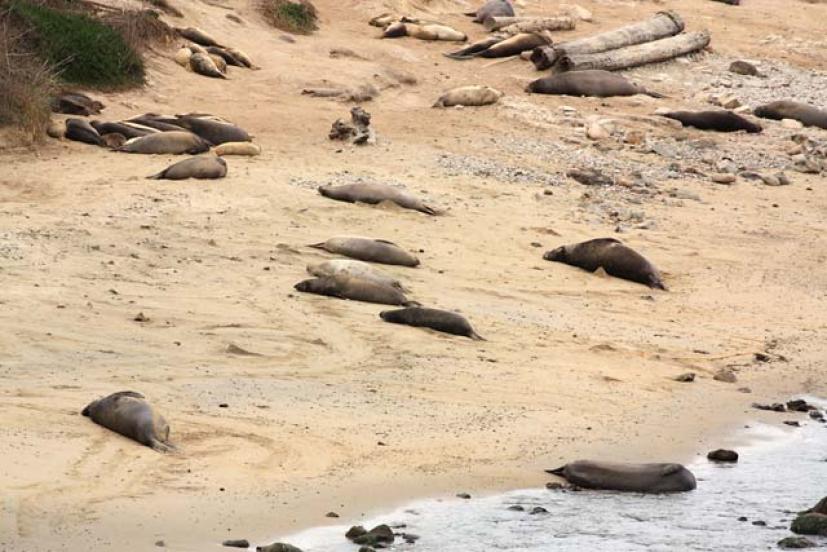
Elephant seals have also returned to Drakes Beach. While much of the beach is currently closed due to their presence there, the parking lot is still open and you can observe them from there. They're actually quite close! When we went there recently we say at least half a dozen seals hauled out on the sand and dozing in the sun.
If You Go
The shuttle bus system has been indefinitely suspended and is no longer available, so be aware that Sir Francis Drake Boulvard south of Drakes Beach and the parking areas at Chimney Rock and the lighthouse can get very crowded, especially on weekends and holidays. The Point Reyes Lighthouse observation deck is open daily from 6 am to 11:45 pm. The visitor center and the stairs leading down to the lighthouse are open on Saturdays, Sundays, Mondays, and federal holidays from 10 am to 4 pm.
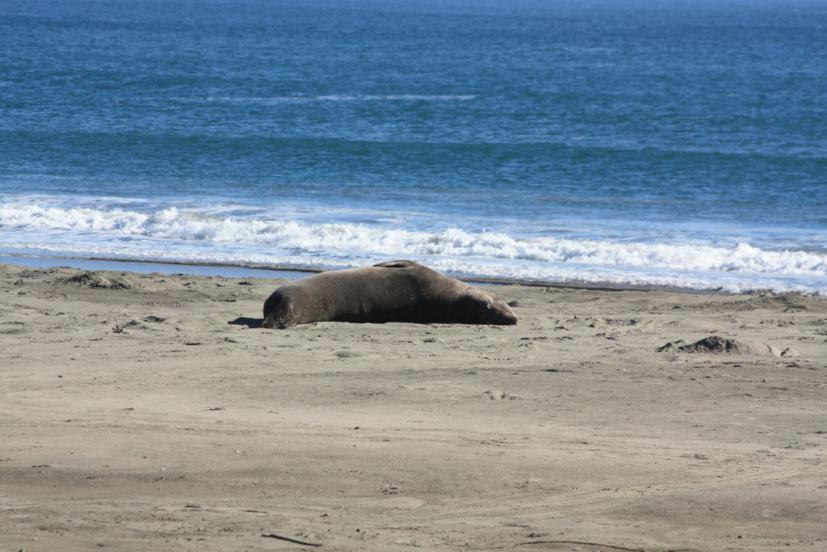
Drakes Beach access is restricted due to the presence of elephant seals on the beach. Much of the beach (southwest of the Kenneth C. Patrick Visitor Center) is off-limits, but you can observe elephant seals from the parking area. The beach at Chimney Rock and the southern part of South Beach are also closed due to elephant seal acitvity.

Those familiar with the Point Reyes National Seashore know that weather can be extremely unpredictable there. The lighthouse, in particular, has a reputation for being one of the windiest and foggiest places on Earth! Dress in layers and make sure you have a wind-resistant parka or shell. Hiking boots or sturdy walking shoes are a recommended, since the whale viewing areas are located at some distance from the parking lots. Don't forget the binoculars!
You can purchase food is in the town of Inverness; the PRNSA bookstore at Drakes Beach usually has snacks and drinks available and is open Saturdays, Sundays, and federal holidays that fall on Mondays. All locations have restroom facilities.

To get there, head out to Point Reyes Station via Highway 1 or Point Reyes–Petaluma Road. Head west on Sir Francis Drake Boulevard in the direction of Inverness. Follow Sir Francis Drake Boulevard out onto the Point Reyes Peninsula. Turn left onto Drakes Beach Road to go to Drakes Beach. If the road is open, you can continue on Sir Francis Drake Boulevard all the way to Point Reyes Lighthouse and Chimney Rock.
For more information on Point Reyes National Seashore, visit www.nps.gov/pore.